 ⭐⭐⭐⭐⭐ A Family Vacation We’ll Never Forget in Boracay
Creating Lifelong Family Memories
As a father traveling with my family, I can honestly say that our trip to Boracay was one of the best vacations we have ever taken. From the breathtaking beaches and our amazing stay at Henann Resort to the welcoming local people and the unique shops along White Beach, every part of our experience was memorable. It was the perfect place to slow down, spend quality time together, and create memories that we will cherish for years to come.
Our Stay at Henann Resort
We stayed at Henann Resort, and it was everything we could have hoped for. The resort was beautiful, clean, and located in an ideal spot just steps away from the famous White Beach. After a full day of enjoying the island, it was always a pleasure returning to such a comfortable and relaxing place.
The rooms were spacious, well-maintained, and provided the perfect place for my family to rest and recharge. The resort had beautiful pools, a peaceful atmosphere, and all the amenities we needed to make our stay comfortable. It was the perfect home base for our family while exploring everything Boracay had to offer.
Exceptional Service and Filipino Hospitality
What stood out the most about Henann Resort was the incredible service. The staff were always friendly, polite, and welcoming. Every interaction we had was met with a smile, and they went out of their way to make sure our family had everything we needed.
Their hospitality truly reflected the warmth and kindness that the Philippines is known for. From check-in to check-out, we felt taken care of and appreciated as guests. The genuine care shown by the staff made our stay even more enjoyable and memorable.
The Beauty of Boracay’s White Beach
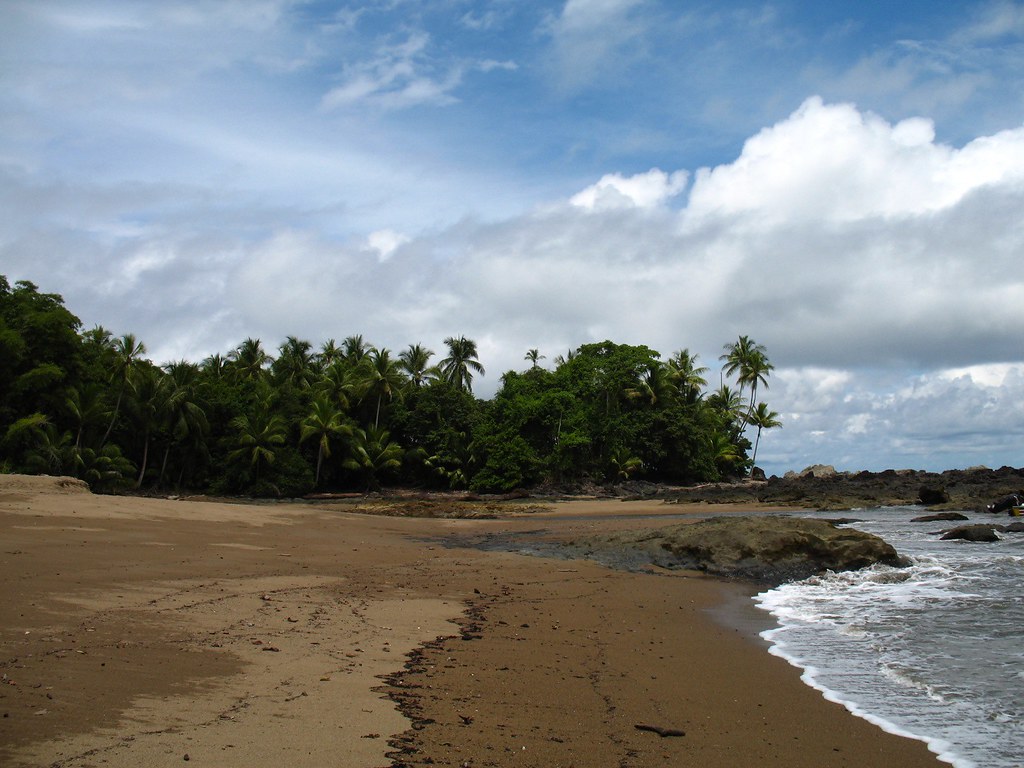
The beach was the highlight of our entire trip. Boracay’s White Beach is truly one of the most beautiful beaches we have ever experienced. The soft, white sand, clear blue water, and relaxing ocean breeze created the perfect environment for a family getaway.
Every day, we enjoyed walking along the shoreline, feeling the sand beneath our feet, and taking in the incredible views. The calm, warm water made it a wonderful place for my family to swim, play, and enjoy the natural beauty of the island.
Peaceful Walks and Unforgettable Sunsets
Some of our favorite moments were simply walking along the beach together. There was no rush and no schedule to follow—just time spent enjoying each other’s company. We watched the waves, took pictures, explored the shoreline, and enjoyed the peaceful feeling of being somewhere truly special.
The sunsets were absolutely unforgettable. Watching the sky transform into beautiful colors as the sun went down over the ocean was one of those moments that stays with you forever. Those quiet evenings together became some of our most treasured memories.
The Warmth of the Local People
Beyond the beautiful scenery, what made Boracay stand out was the people. The local community was one of the biggest highlights of our visit. Everywhere we went, we were greeted with genuine smiles, kindness, and friendliness.
From the resort staff to restaurant workers, vendors, and people we met while exploring the island, everyone made us feel welcome. Their positive attitude and willingness to help made our family feel comfortable and safe throughout our stay.
Experiencing Filipino Culture and Hospitality
The locals truly added something special to our experience. They were proud of their island and happy to share it with visitors. Whether we were asking for recommendations, shopping, or simply having casual conversations, we were always met with warmth and respect.
Their hospitality showed us that Boracay is not just a beautiful destination because of its beaches—it is also beautiful because of the people who call it home. The kindness we experienced from the local community is something our family will always remember.
Exploring the Shops and Restaurants of Boracay
We also enjoyed exploring the many shops and restaurants along the beachfront. Walking through the shops in the evenings became one of our favorite activities. There were so many interesting souvenirs, handmade items, clothing, and local products to discover.
We enjoyed finding special reminders of our trip and bringing home items that would help us remember our time in Boracay. The shop owners were friendly and welcoming, and shopping never felt stressful or rushed.
The Energy of White Beach at Night 
The area around White Beach had such a great atmosphere. Restaurants were serving delicious food, small cafés, local vendors, and entertainment that made every evening feel exciting.
We loved walking around after dinner, enjoying the lights, music, and energy of the island while still feeling relaxed and comfortable. It was the perfect balance of fun and peacefulness for a family vacation.
A Vacation We’ll Always Remember
Looking back, what made our Boracay trip so special was the combination of everything—the incredible beauty of the beach, th
e comfort of Henann Resort, the friendliness of the local people, and the wonderful experiences we shared while exploring the island.
As a father, seeing my family happy, relaxed, and enjoying every moment was the greatest part of the journey. Those moments together are what made this trip truly unforgettable.
More Than Just a Vacation
Boracay gave us more than just a vacation. It gave us memories that we will carry with us for a lifetime. The laughter, the walks along the beach, the beautiful sunsets, the friendly faces, and the time we spent together are moments we will always remember.
I would highly recommend Boracay and Henann Resort to anyone looking for an unforgettable family getaway. It is a destination filled with beauty, adventure, relaxation, and some of the kindest people you will ever meet.
We left with amazing memories and a strong desire to return someday. Boracay truly feels like paradise, and we can’t wait to experience it again. ⭐⭐⭐⭐⭐